
We Placed 9th of 256.
Then the Organisers Re-Ran Our Code.
In the Sixth Hyperspectral Object Tracking Challenge 2026, run in conjunction with IEEE WHISPERS.
Confirmed by an independent academic committee that took our code and tested it themselves.
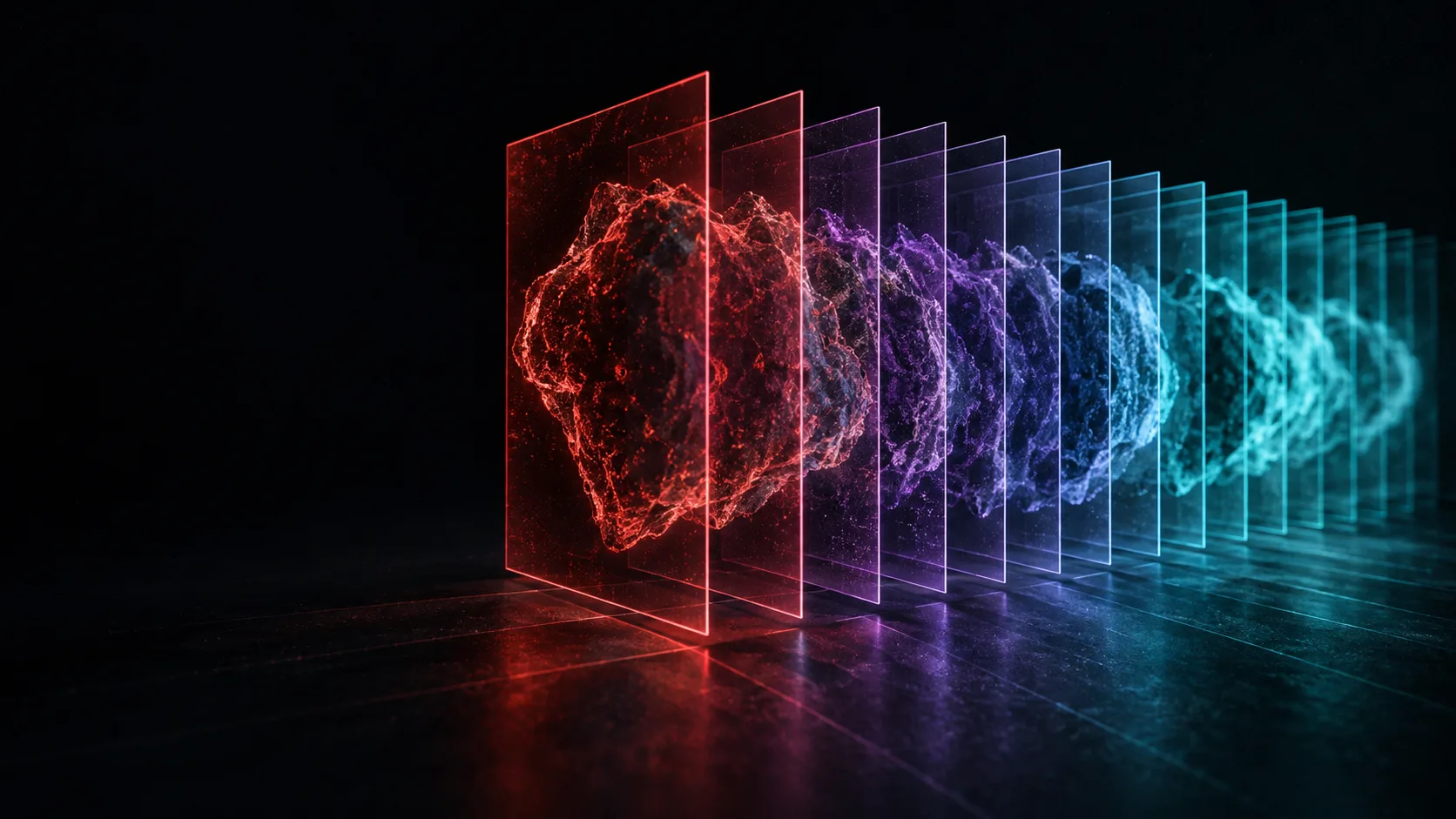
A Research Problem, Not a Marketing Exercise
The Hyperspectral Object Tracking Challenge is in its sixth year. It runs alongside IEEE WHISPERS, the 16th Workshop on Hyperspectral Image and Signal Processing, held this November in Glasgow.
256 teams entered between May and September 2026. We came in as a team that ships AI into production, and finished in the top 4%.
- Griffith University
- Nanjing University of Science and Technology
- Ghent University
- Wuhan University
- Helmholtz-Zentrum Dresden-Rossendorf
- Grenoble Institute of Technology
Seeing What the Camera Cannot
Standard video gives three values per pixel. Red, green, blue.
The cameras in this challenge captured 16, 25 and 15 bands, including wavelengths the human eye does not register. Every pixel carries a spectral signature rather than a colour.
The task was to lock onto a target and hold it across footage running at 25 frames per second. Teams trained against 406 hyperspectral videos, tuned on 75 more, and were scored on 75 they had never seen.
The targets were not convenient. They ranged from herbs and insects that disappear into the background to a motorcyclist at speed. The cameras were moving as well, mounted on drones and vehicles, so parked cars slide across the frame and a tracker will happily follow one instead of the target. Lose the thread for a few frames and it latches onto a wheel instead of the bike.
Two objects that look identical to an ordinary camera do not look identical in spectral data. That is the whole point, and it is also why the problem is hard.
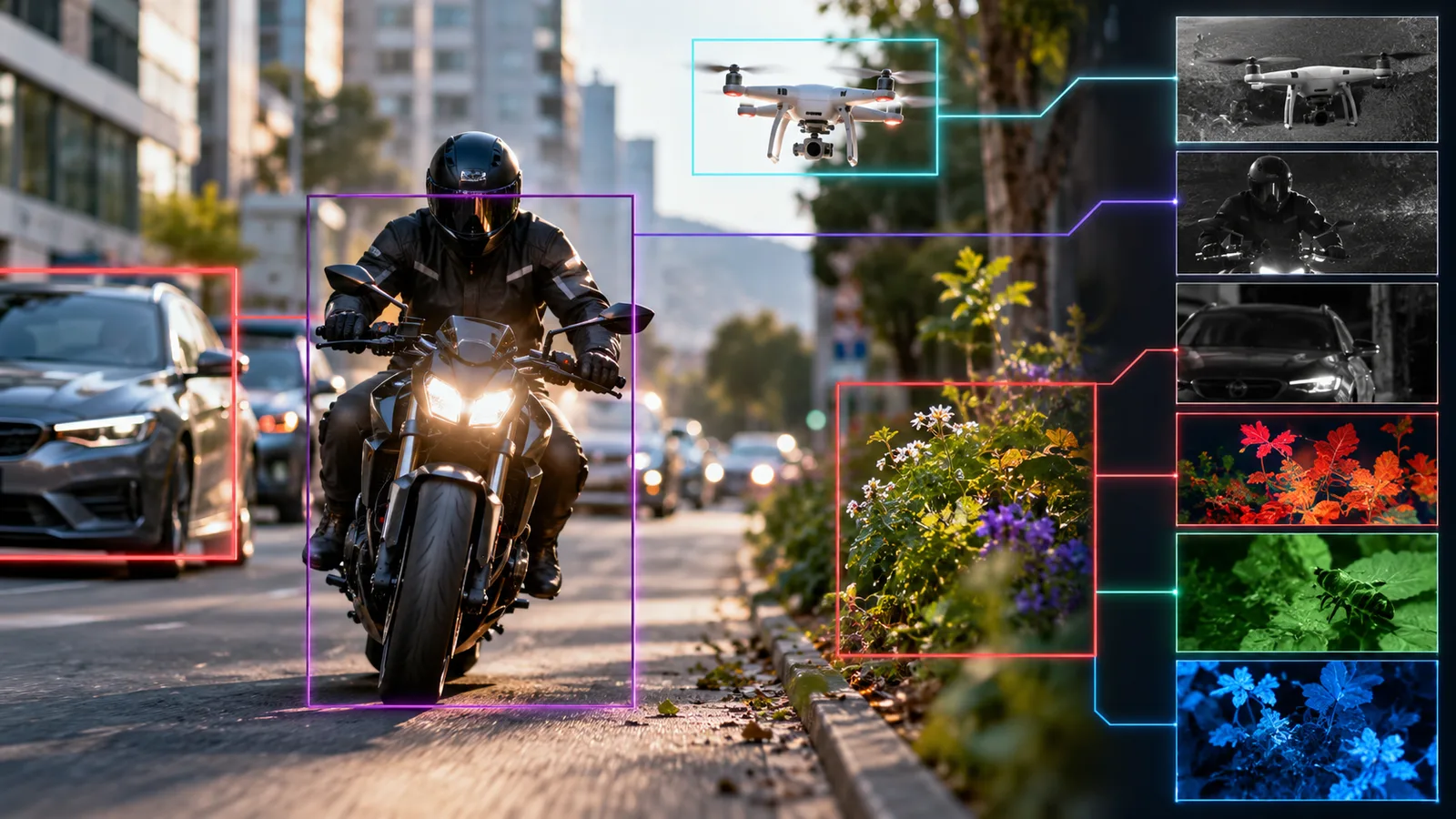
Hyperspectral data does not arrive as a picture. It arrives as raw sensor grids that have to be rebuilt before anything can even look at them. That is the part nobody demos, and it is where most of the work is.
The Same Problem, Wearing Different Clothes
This started as something our AI Centre of Excellence wanted to take on. It turns out to be the same problem as several things our clients pay us to solve.
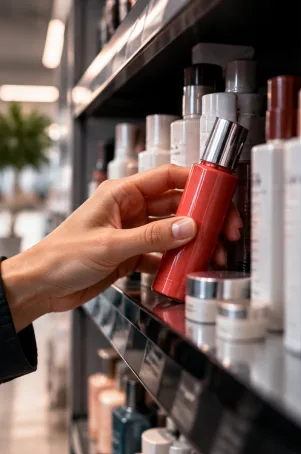
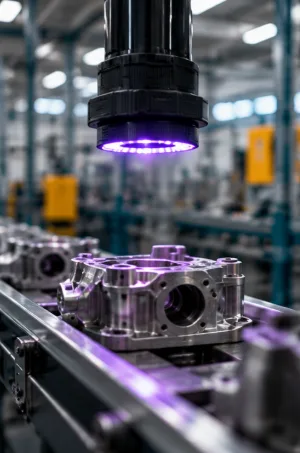

The competition was the proving ground. The capability is what we ship.
The Same People Who Ship for Clients.
A team from our AI Centre of Excellence took this on alongside their delivery work, because the problem was worth solving.
They finished in the top 4% of 256 teams, and then had their work re-run by the organisers to prove it.
We are proud of this one, and of the team behind it.
That is the culture we hire for, and it is the reason results like this are not unusual here.
 Dr. Param JeetAI CoE Team
 Nikhil NaganurAI CoE Team
 Sanidhya SrivastavaAI CoE Team
 Harsha AcharAI CoE Team
 Mounika SAI CoE Team
 Srujana EAI CoE Team
Fifteen Years of Building It, Not Talking About It
Affine was founded in 2011, before the current category existed. Computer vision went into client production in 2016, and has been shipping ever since.
This result is the most recent entry in that record. It is not the beginning of one.